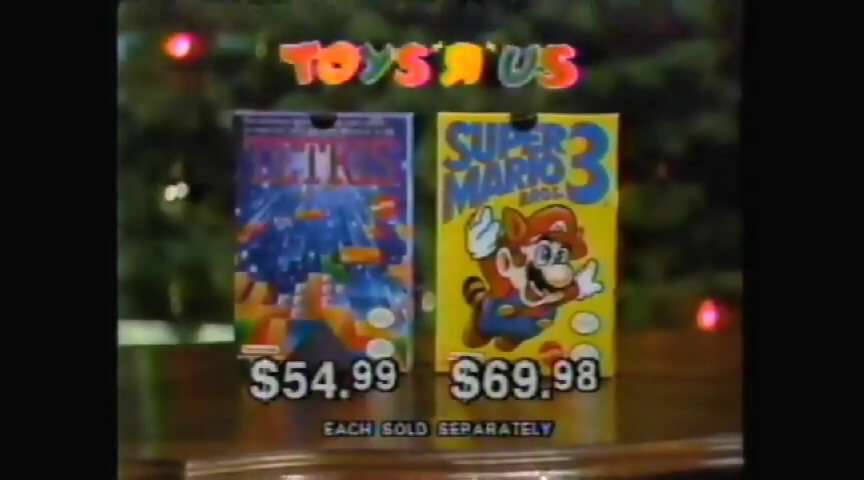
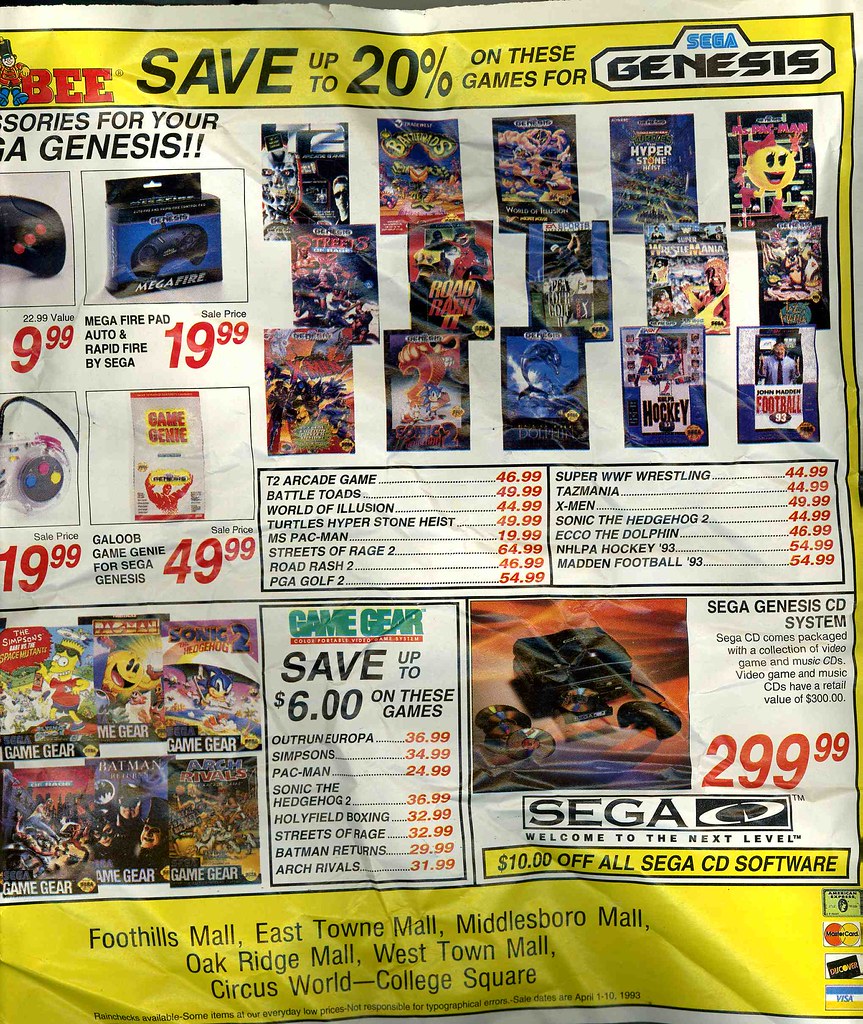
Not only are they cheap, but the nominal price of video games hasn't budged much in something like 30 years. AAA titles have always hit the market in the $50-$60 dollar range since the days of the NES (and maybe earlier, but that is before my time). It isn't surprising that video game companies have introduced additional revenue streams with DLC or microtransactions in order to counter inflation in both real dollars and in production budgets.
I am not sure I agree with this statement. I remember new PS1 games retailing for $39.99, I remember PS2 games retailing for $49.99. It wasn't until the ps3 generation were games $59.99.
My friends and I always joked about how each generation games went up $10.
What might be clouding your memory is that as a console generation ages the games might drop in price until a new generation comes in to reestablish the price at approximately $60. It is certainly possible at the introduction of the PS2 that most PS1 games were retailing for less than $50 and then it was repeated when PS2 aged and the PS3 was released, but it certainly wasn't the PS3 that introduces the $60 price point.
Playstation started with a SRP of $49 when it launched in the US in 1995. Sony dropped the SRP of first party titles to $39 in 1997, several years before PS2 launched. PS2 launched with games back up at $49, and then Sony followed Microsoft's lead and upped it to $59 for the PS3. So if you look at a narrow window of time, you see games going $39 -> $49 -> $59, but that doesn't give the full picture. Throw in inflation, and the increased costs, and games are shockingly inexpensive.
Sone SNES cartridges were even more expensive: Chrono Trigger was $79.99