The bit about Starcraft being a hit in Korea also misses that there was a 50+ year ban on importing Japanese culture that was loosened in late 1998 through the early 2000s, which made Korea a much more receptive market for non-Japanese game makers up through that period of time.
Add into that the different domestic cryptography requirements, and you get a lot of explanation of the uniqueness of the Korean computing landscape.
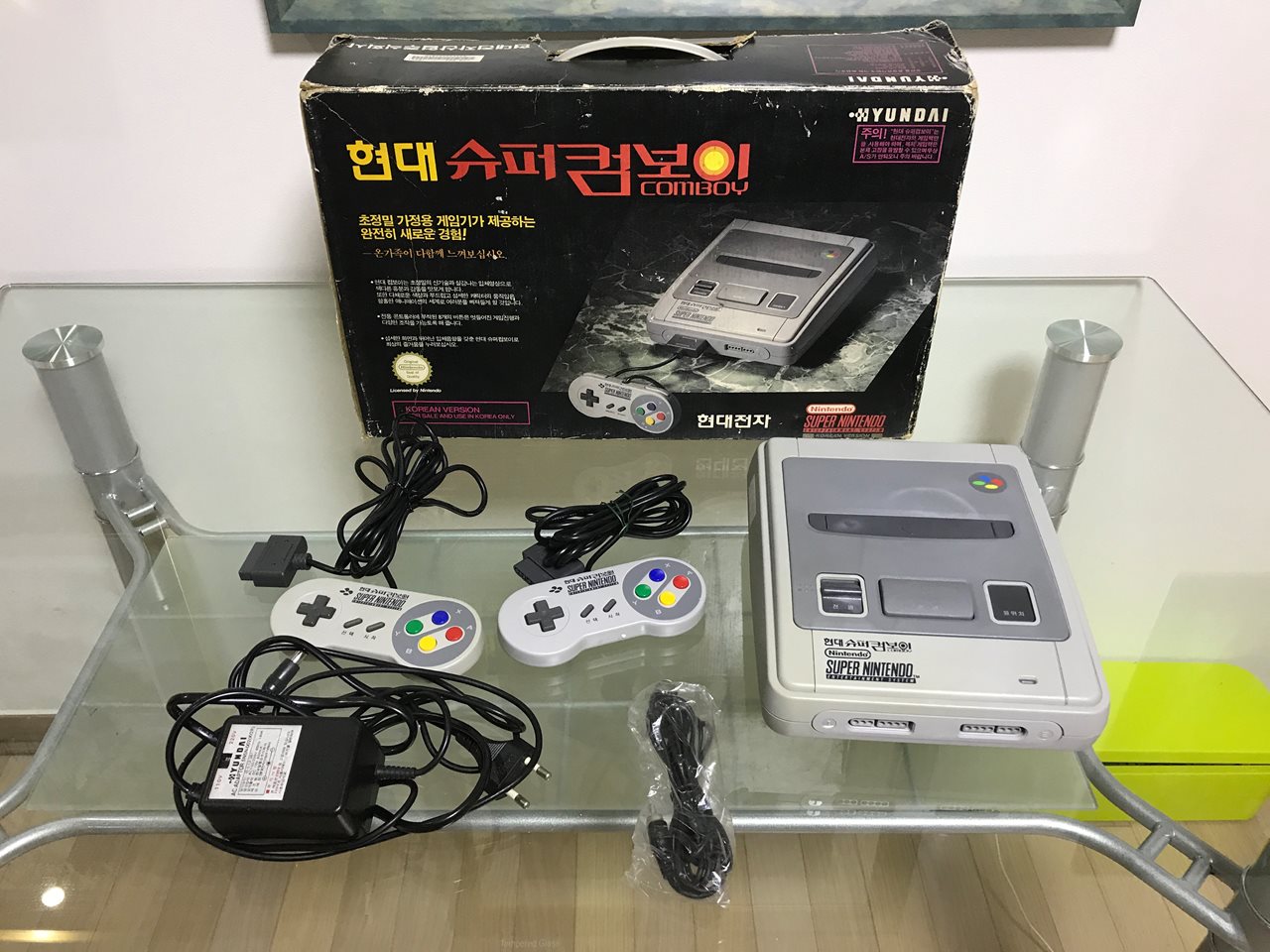
While there was a ban, it wasn't an all-encompassing ban on everything Japanese. To give you a video game example, both NES and SNES were licensed to Hyundai and released as Comboy (컴보이) and Super Comboy (슈퍼컴보이). This came with the expected large releases, as you can see in Korean adverts of the time, literally singing about Super Mario, Bubble Bobble, Megaman III, Ninja Turtles, Doctor Mario, Dragon Quest, Zelda, etc.[0][1]
Manga and anime were available as well, as long as they were translated and adapted to local references accordingly. Dragon Ball was available by 1989 officially[2] and Crayon Shin-chan by 1995[3]. Music and regular films were the most impacted since Japanese language could not be kept in media.
Reading through the Wikipedia article for it[4], it's quite incomplete as it makes it sound like all things Japanese were banned in Korea. At least for games, anime, and manga, by mid-90s, quite a lot were available officially. While a bit biased (a whole separate issue about Namuwiki[5]), here's a perspective on the history of it if you can read Korean (or want to read through a translator)[6]


Add into that the different domestic cryptography requirements, and you get a lot of explanation of the uniqueness of the Korean computing landscape.