I got "Your boundary is at hue 167, greener than 86% of the population. For you, turquoise is blue". I think I consider darker and yellower colours as green - for instance tennis balls are firmly green to me, but a lot of people say they're yellow.
I wonder if this has anything to do with your upbringing. I grew up on a farm in a dry part of Australia, where the grass didn't often get very green. Most of the year it was yellow. If you associate green with grass and the grass is yellow, maybe you associate green with a yellower colour?
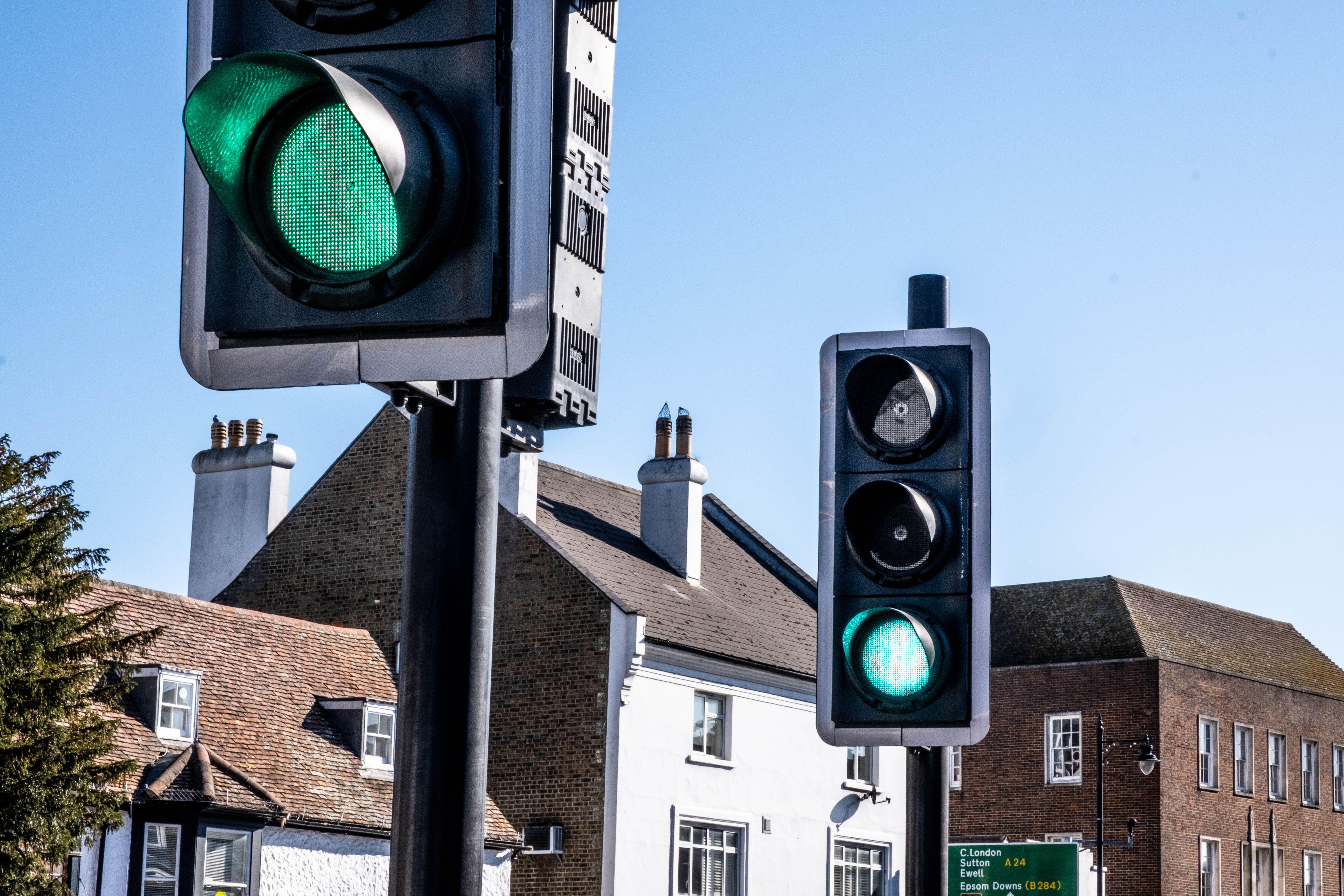
It's very cultural. For example, Japan used the same word for green and blue, so their green light on traffic lights is as blue as possible while conforming to international standards for the light to be "green".
I think this might be a bit overblown. "why do we call it blue signal?" is a common 3-5 years old question in Japan.
Old Japanese traffic signals had blue tinted lenses, like ultramarine blue. Those lenses were used in conjunction with warm yellow incandescent lamps, technology available at the time. Deep blue + warm yellow = green.
Over time the green color must have normalized, without laws and slogans not reflecting that. And nowadays they're green LEDs.
The blue-green distinction is something that tends to come late in most or maybe all language families. Ancient Greek also used the same word for blue and green. As I recall, the first color words a language gains are black and white, followed by red. Blue-green is one of the last distinctions made.
This has begun to happen in the UK as well, and I'm struggling to get anyone else to see it. Traffic lights installed in the past couple of years seem to use a new style of LED that emits a turquoise light instead of green. I took a picture and looked at the RGB value and the G/B were equal. Everyone else I ask says they still look green. Here's an example: https://static.independent.co.uk/2022/04/22/00/21135757-1ac1...
In all rulebooks, lights are red-yellow-green, but in many places, I can see red-amber-turquoise. Now a sure way to get a traffic police officer livid is to call the yellow light “amber” or “orange”…
My friend got a "Running an Amber" ticket when we were teens outside metro Detroit, MI. I had never heard it called that color before but that small memory is always on my mind when the light changes as I'm crossing.
In the UK, the yellow light is officially an "amber" light in terms of driver regulations and statutes, such that some anally retentive type is always bound to correct anyone who dares say "yellow".
I got a very high "green" threshold too - 95% averaged across three runs, since my first result seemed surprisingly high.
It's funny though - I feel like I'm less likely to go green on the other direction too. I'd probably say a tennis ball is right on the line, and seems more yellow than green to me too.
Maybe I'm some sort of green gatekeeper, and I don't want to dilute my personal definition with lesser greens. Green is my favorite color, I'd say, so maybe that's something to do with it.
Yes, and I'd like to see a breakdown of the answers per country.
I'm French and my boundary is at 167 apparently (though I have a poor screen and depending on where I look, I could say that even further towards the green side is still blue). But a regular occurrence at home is my wife (who speaks a different language, we don't live in France) talking about « the green table » while I'm trying hard to find any green table around us, until I realize she's talking about that turquoise table that I call the blue table. Also happens on the red/pink and pink/purple boundaries.


I wonder if this has anything to do with your upbringing. I grew up on a farm in a dry part of Australia, where the grass didn't often get very green. Most of the year it was yellow. If you associate green with grass and the grass is yellow, maybe you associate green with a yellower colour?